Home Tree Trimming & Pruning
Tree Trimming & Pruning in Honolulu
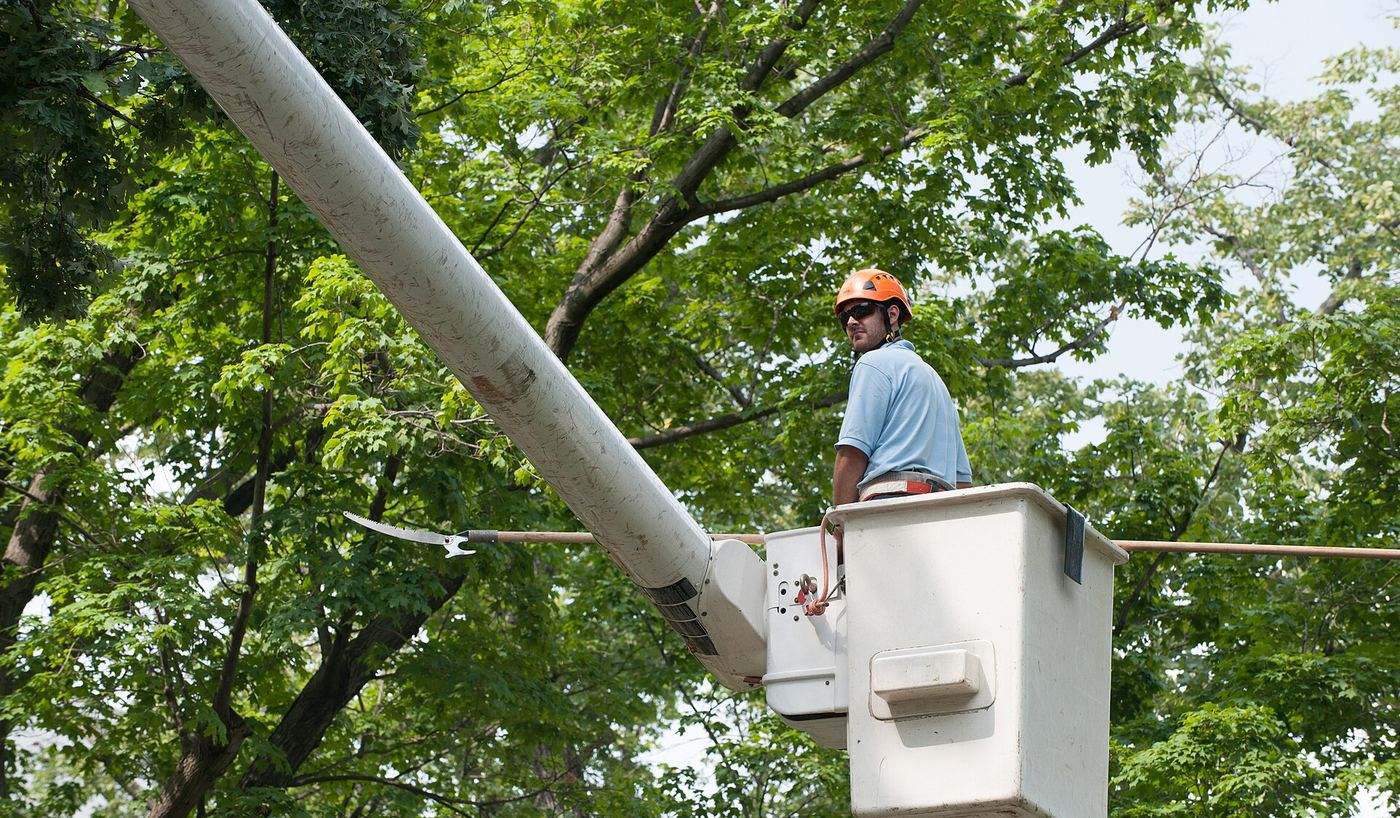
Limbs over the roof, a canopy too heavy for the next storm, or a mango that has outgrown the yard. The right trim keeps a good tree and takes away the risk.
Trim First, Remove Only When You Must
A mature shade tree adds value to a Honolulu home. It cools the house, softens the trade winds and frames the yard. Many trees that homeowners think need to come out only need the right cuts. Good pruning reduces weight where it matters, clears what is touching the house, and leaves a tree that looks natural rather than chopped.
What We Trim For
Roof and structure clearance
Limbs resting on or hanging over a roof scrape roofing, fill gutters and drop wood onto the house in storms. Clearance pruning lifts and shortens those limbs back to a healthy branch so the canopy grows away from the house rather than straight back toward it.
Crown thinning for wind
Dense canopies catch wind like a sail. Selectively removing interior branches lets wind pass through and lowers the stress on big limbs, which matters on trees like monkeypod with long, heavy horizontal limbs.
Deadwood removal
Dead branches are the first thing to fall. In Hawaii's heat and rain, dead wood weakens quickly. Removing it is the simplest and most valuable trim most trees can get.
Raising the canopy
Lower limbs over driveways, sidewalks and lanais can be removed to give headroom for cars, people and views, without changing the shape of the whole tree.
Fruit tree pruning
Mango, avocado and other fruit trees left alone grow too tall to harvest and drop fruit on roofs and cars. Pruning to a manageable height and opening the canopy to light makes them easier to live with.
What Good Pruning Looks Like
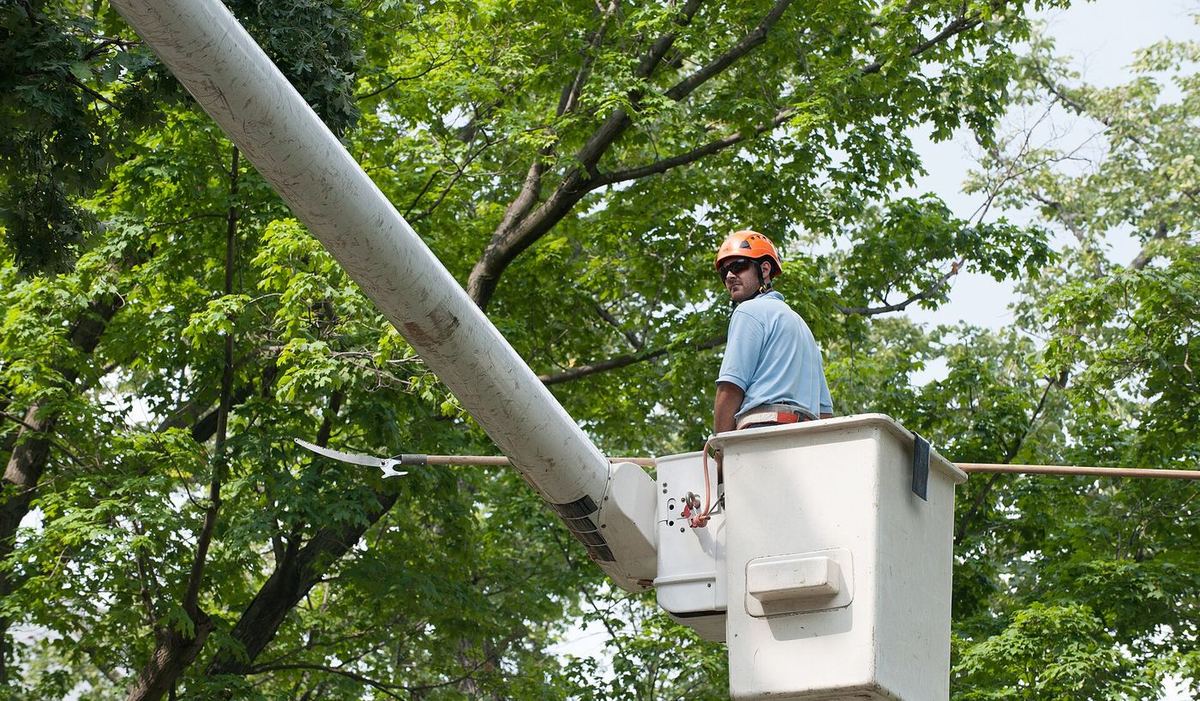
Pruning standards exist for a reason. In the United States, the accepted standard for tree pruning is ANSI A300. You do not need to read it, but a few principles are worth knowing so you can judge any quote:
- Cuts are made at the branch collar, the slightly swollen area where a branch meets the trunk, not flush against the trunk and not leaving a long stub.
- No topping. Cutting the top off a tree to make it shorter produces weak, fast regrowth that is more dangerous than the original limbs. Topping is the clearest sign of poor tree work.
- Not too much at once. Removing a large share of a healthy tree's live canopy in one visit stresses it. Big reductions are better done in stages.
- No climbing spikes on trees that are staying. Spikes wound the trunk and are for removals only.
Common Honolulu Trees and How They Are Trimmed
Monkeypod: wide, heavy limbs that reach far over roofs. Usually needs end weight reduction and clearance rather than height reduction.
Albizia: fast growing with brittle wood. Trimming buys time but does not change how the wood behaves. Albizia near a house is often a better removal candidate than a trimming one.
Banyan: aerial roots, sprawling limbs and multiple trunks. Pruning focuses on controlling spread and keeping limbs off structures.
Mango: dense canopies that hide dead wood. Opening the crown helps air and light reach the fruit and reduces storm load.
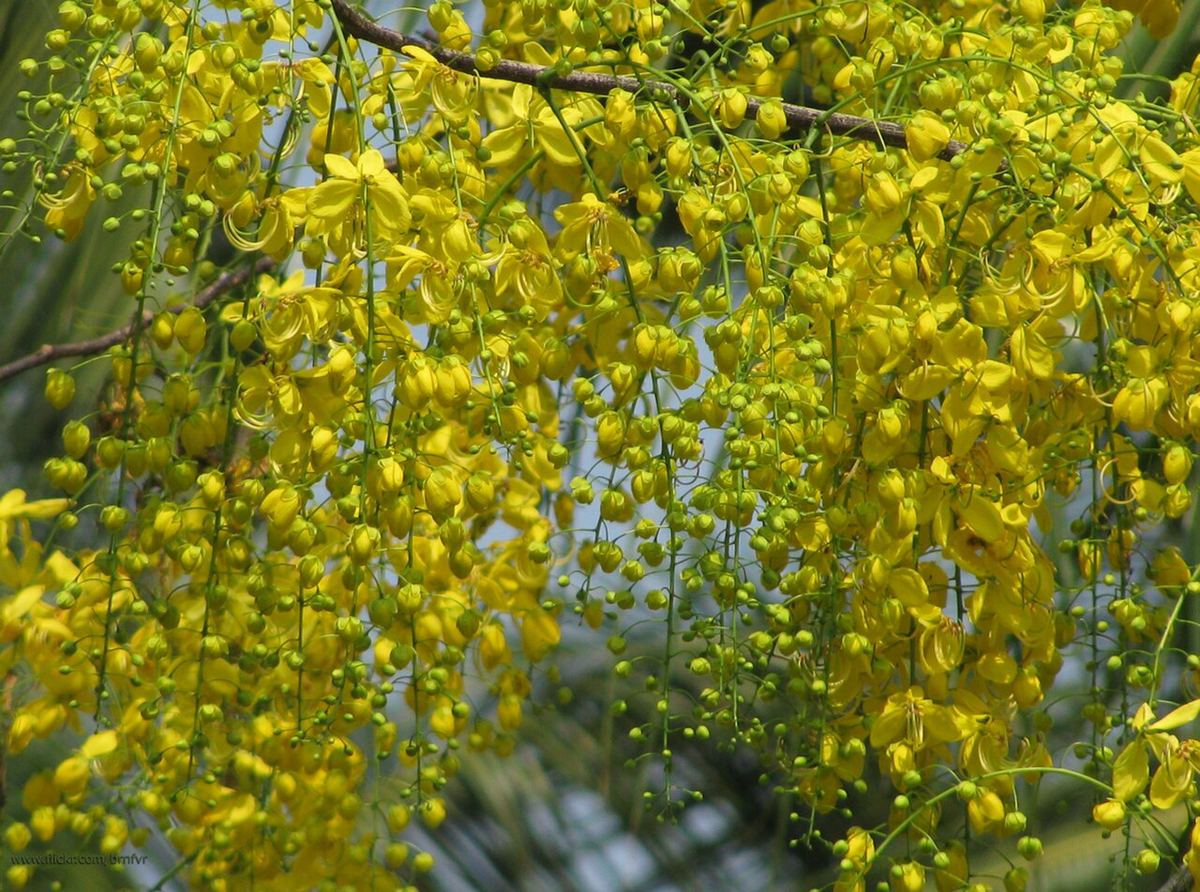
Shower trees: often planted near streets and walls, and many have reached full size. Deadwood removal and clearance pruning keep them healthy and in bounds.
Palms are trimmed differently. See palm tree trimming.
When Is the Best Time to Trim in Honolulu?
Oahu has no real dormant season, so most trimming can be done any time of year. A few timing points still help. Trimming before the stormy months reduces what wind can break. Fruit trees are usually best pruned after harvest. Flowering trees like shower trees are best pruned after they finish blooming so you do not cut off next season's show.
Lines, Street Trees and Protected Trees
Do not trim limbs near power lines yourself, and be careful about who you hire for that work. Contact the utility for lines feeding the street. For the line that runs to your own house, a qualified crew can advise on what is safe.
Trees on the city's Register of Exceptional Trees need a permit from the Department of Parks and Recreation even to prune, and street trees belong to the city. Our Honolulu tree permit guide explains how that works.
What Trimming Costs
Trimming prices depend on the size of the tree, how much is being removed, access, and whether a lift can reach. They are quoted after the tree is seen. If a tree is a close call between trimming and removal, it helps to price both. For removal figures, see the tree removal cost guide.
Call (808) 784-7359 or request a quote online. For palms, see the palm removal cost guide.