
Home Stump Grinding
Stump Grinding in Honolulu
An old stump in the lawn, a palm stump left from a removal, or a monkeypod stump with roots everywhere. Grinding takes it below the surface so the yard can be used again.
Why Remove a Stump at All?
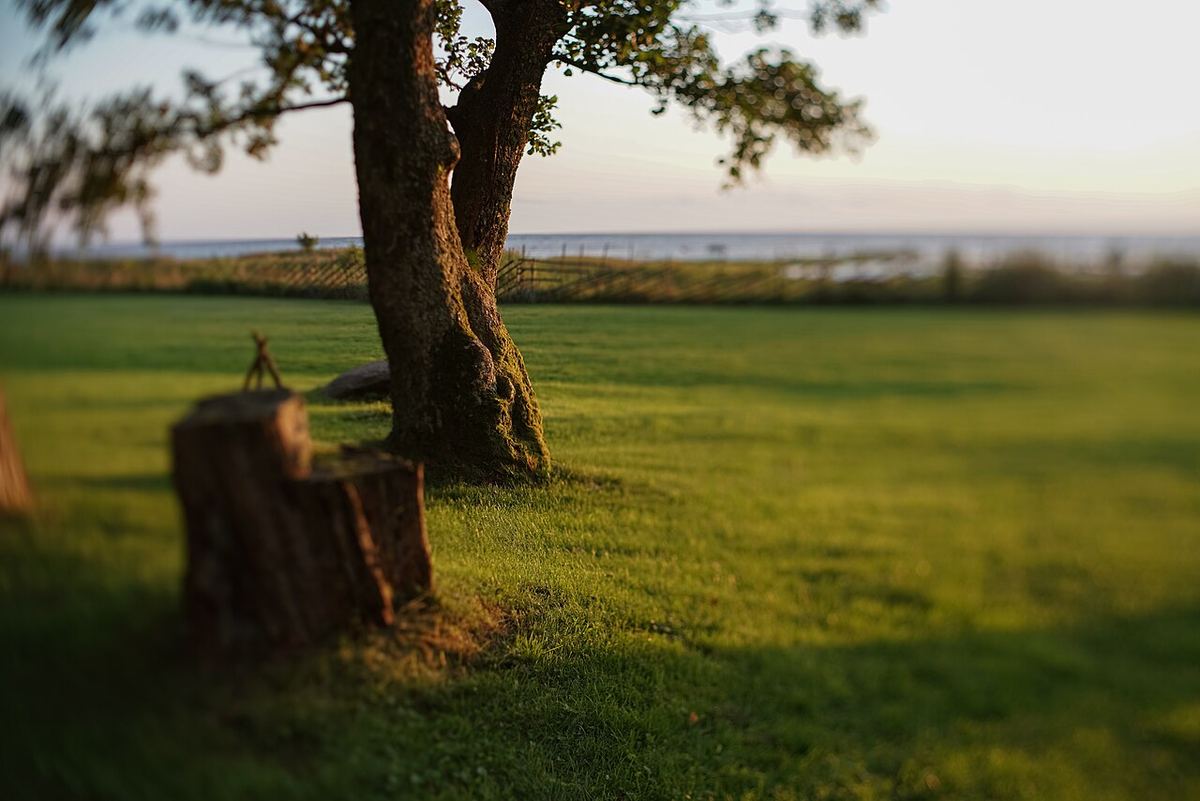
When a tree comes down, the stump often gets left for later, and later turns into years. A stump left in a Honolulu yard is more than an eyesore:
- It is a trip hazard and a mowing obstacle. Low stumps hidden in grass catch feet and mower blades.
- It can sprout. Many broadleaf trees, albizia and monkeypod among them, send up new shoots from a cut stump or its roots, and those shoots grow fast in Hawaii.
- It rots slowly and attracts pests. Decaying wood draws termites and other insects, and a rotting stump can take many years to break down on its own.
- It blocks your plans. You cannot plant a new tree, lay sod, pour a slab or build over a stump.
Stump Grinding vs. Stump Removal
The two terms are often used as if they were the same thing, but they are different jobs.
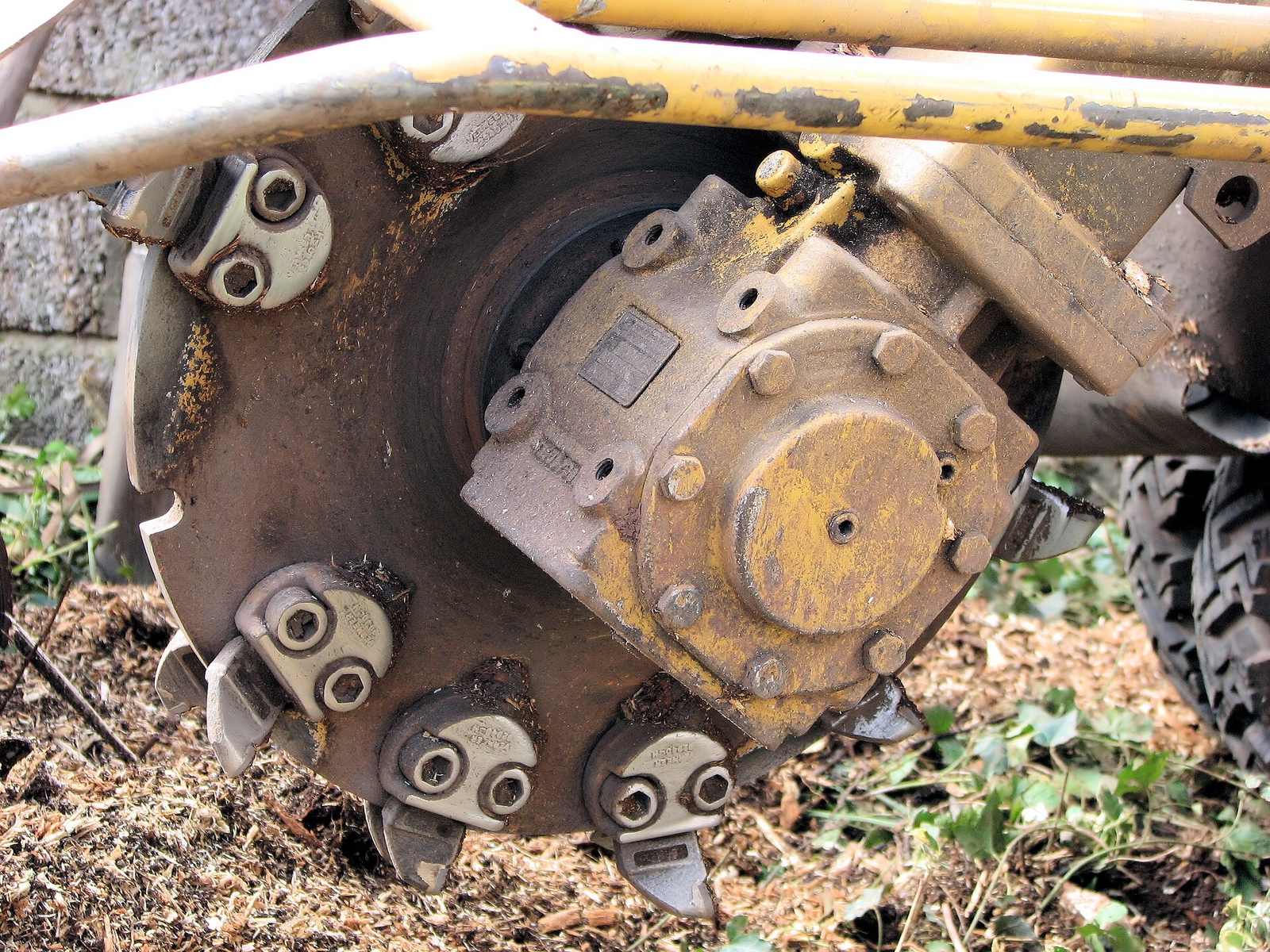
Stump grinding uses a machine with a spinning cutting wheel to chew the stump down below the surface, usually several inches below grade. The visible stump and the top of the root flare are turned into wood chips. The deeper roots are left in the ground to break down. This is what most homeowners want, and it is far faster and less disruptive.
Full stump removal means digging out the stump and its main roots. It leaves a large hole, disturbs a wide area of the yard, and is usually only worth it when you are building a foundation or a structure right where the tree stood.
How Stump Grinding Works
- Check accessMeasure the gate or side path so the right size grinder can get to the stump.
- Locate linesMark any irrigation, utility lines or pipes near the stump before cutting.
- GrindThe wheel is swept across the stump, taking it down below grade along with the surface roots.
- FinishChips are raked back into the hole or hauled away, and the area is left level.
Compact grinders fit through narrow side gates, which matters on many older Honolulu lots where the only way into the back yard is a side path between the house and the fence. Stumps on slopes, against walls or tangled with rock take longer and may need extra care.
Different Stumps, Different Work
Monkeypod and banyan stumps
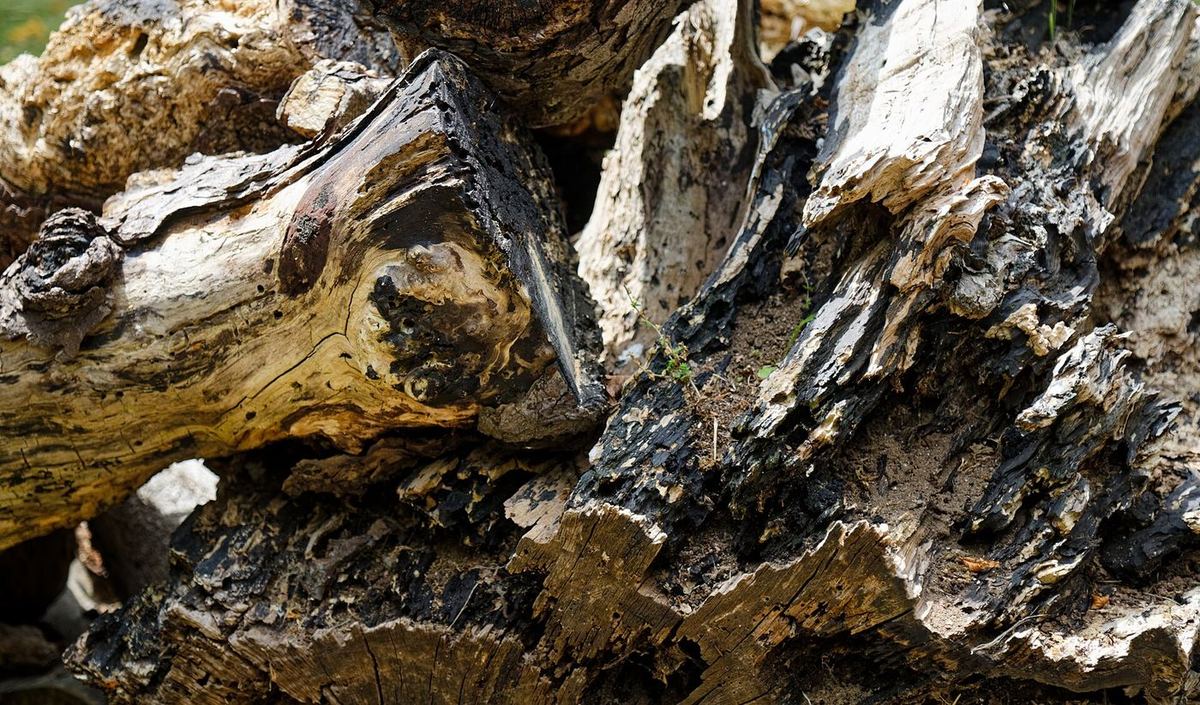
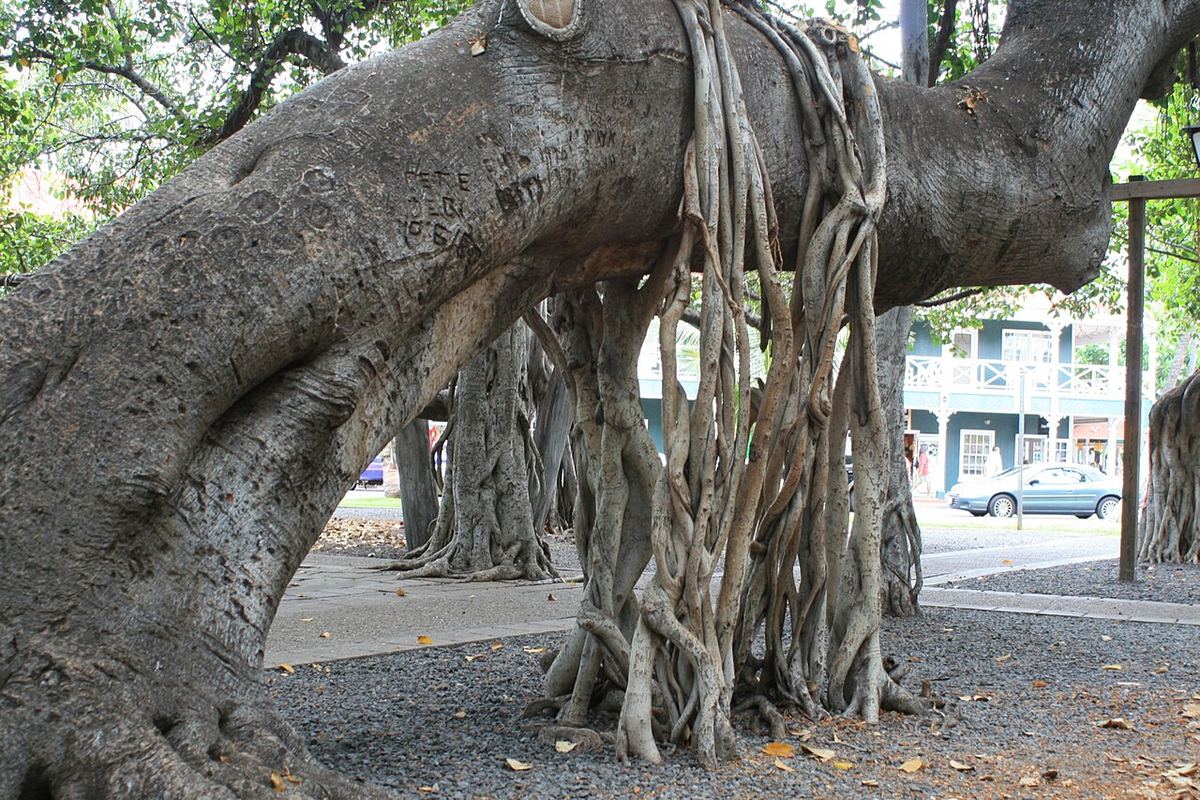
These are the big ones. Wide trunks, massive root flares and surface roots that spread across the yard. Grinding the main stump is straightforward, but surface roots can run a long way and may need to be ground separately if you want the whole area level.
Albizia stumps
Albizia is known for sprouting back from cut stumps. Grinding below grade removes much of the growth point, and watching the area for new shoots over the following months is a good idea.
Palm stumps
Palm stumps are fibrous rather than woody, and the root system is a dense mass of thin roots rather than a few big ones. They grind easily. A single trunk palm will not regrow from the stump once the crown is gone, so grinding a palm stump is about clearing space, not stopping regrowth.
Old, rotting stumps
Stumps left for years are usually soft and grind quickly, though they can hide rocks, wire or concrete that was poured around them.
After Grinding: Using the Space
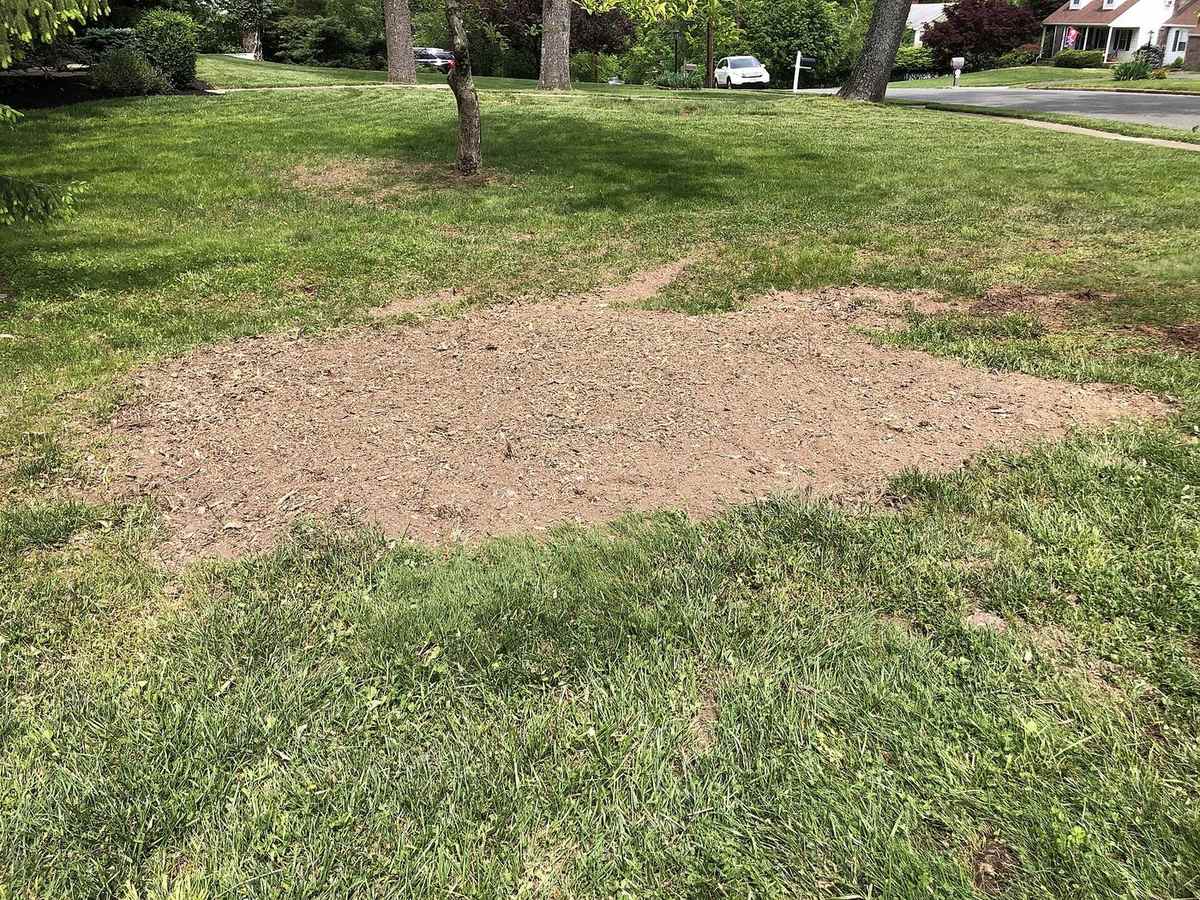
Grinding leaves a mix of wood chips and soil. If you are planting grass, most of the chips should be removed and replaced with topsoil, because fresh wood chips draw nitrogen from the soil as they break down. If you are replanting a tree, it is usually best to plant a little to one side of the old stump. If you are paving or laying pavers, the chips should be cleared and the base compacted.
Many homeowners keep some of the chips as mulch for garden beds.
Stump Grinding With a Removal
The most efficient time to grind a stump is right after the tree comes down, while the crew and equipment are already on site. If you are planning a tree removal or palm removal, ask for the stump to be included in the same quote.
What Stump Grinding Costs
Stump grinding is priced mainly on the diameter of the stump, plus access, the number of stumps and whether surface roots need to be ground too. Several stumps on one visit usually cost less per stump than one at a time. Each job is quoted after the stumps are seen. For removal pricing, see the tree removal cost guide and the palm removal cost guide.
Call (808) 784-7359 or send the details online.